How Home Framing in Castle Rock Can impact Your Home’s Durability
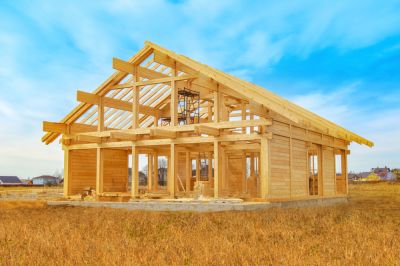
Home framing is one of the most important aspects of the construction process, acting as the structural skeleton that supports the entire building. In Castle Rock, where the demand for new homes is on the rise, understanding the significance of home framing can help homeowners and builders alike ensure that the foundation of their homes is strong, durable, and well-crafted. Home Framing Castle Rock This article will explore the role of home framing in construction, the various types of framing techniques, the benefits of professional framing services, and considerations for homeowners in Castle Rock.
The Role of Home Framing
Framing is the process of constructing the structural framework of a house, which includes the beams, columns, walls, and roof that hold the house together. This crucial phase of construction ensures that the house is sturdy and able to withstand external pressures such as wind, rain, snow, and other environmental factors. Without a proper frame, the house would lack structural integrity, and its longevity and safety would be compromised.
Framing provides the framework for all other aspects of the home, such as the installation of plumbing, electrical wiring, insulation, and drywall. Essentially, framing serves as the skeleton of the home, supporting both the structural and aesthetic elements of the design. A well-executed framing process allows for better design flexibility and ensures the overall stability and safety of the house.
Types of Home Framing
There are several types of home framing, each with its own advantages and applications. The choice of framing method depends on factors like the style of the home, budget, and local building codes. The most common types of home framing include:
- Wood Framing (Stick Framing)
Wood framing, often referred to as stick framing, is the most traditional and widely used method in home construction. In this technique, vertical wooden studs are spaced evenly to form the walls, while horizontal members (plates) are placed at the top and bottom of the walls to support the studs. This framing technique is suitable for both single-family homes and multi-story buildings, providing a cost-effective and flexible solution for home construction.
Wood framing is known for being relatively lightweight, which makes it easier to transport and assemble. Additionally, it allows for a high degree of customization, with flexibility in design and layout. However, wood framing does require careful attention to moisture control and pest prevention, as wood can be vulnerable to rot, termites, and mold if not properly treated.
- Steel Framing
Steel framing is a modern alternative to wood framing that uses steel studs and beams instead of wood. This method is especially popular in commercial construction but is increasingly being used in residential projects. Steel framing offers increased durability, strength, and resistance to the elements, including pests, fire, and rot.
One of the significant benefits of steel framing is its ability to withstand harsh weather conditions, making it an ideal choice for areas with high winds or seismic activity. Steel is also highly resistant to termites and other pests, ensuring a longer lifespan for the frame. However, steel framing can be more expensive than wood framing due to the cost of materials and specialized labor required for installation.
- Concrete Framing
Concrete framing is less common in residential home construction but is still used in some high-end or custom-built homes, particularly in areas prone to hurricanes or earthquakes. This method involves using reinforced concrete for the foundation, walls, and sometimes even the roof structure.
Concrete framing offers exceptional strength and durability, as it is highly resistant to fire, pests, and environmental wear. It provides better insulation and soundproofing than wood or steel, making it an ideal option for homes located in noisy or extreme climates. However, concrete framing tends to be more expensive and labor-intensive to install, and the process can take longer compared to wood or steel framing.
The importance of Professional Home Framing Services
While it is possible for homeowners to take on the task of framing their own homes, it is generally recommended to hire a professional framing contractor. Proper framing requires specialized knowledge of building codes, structural integrity, and safety protocols. An experienced contractor ensures that the frame is built to code, with proper measurements, alignment, and materials.
A professional framing team will also have the right tools and equipment to complete the job efficiently and safely. They can handle complex framing designs and ensure that the work is completed within the set timeline. Moreover, hiring an experienced contractor helps reduce the risk of costly mistakes or structural issues down the line, ensuring the long-term stability of the home.
In Castle Rock, where homes are often built in areas with varying terrain and environmental conditions, working with a local framing contractor who understands the specific requirements of the region is especially important. Local contractors are familiar with the local building codes, weather patterns, and soil conditions, which are crucial factors in ensuring the success of the framing project.
Considerations for Homeowners in Castle Rock
When embarking on a home framing project in Castle Rock, there are several key factors that homeowners should consider:
- Choosing the right Framing Method
Castle Rock has a diverse range of homes, from traditional single-family homes to more modern, custom-designed structures. Depending on the style and budget, homeowners may need to choose between wood, steel, or concrete framing. Wood framing is the most common, but steel framing may be more suitable for larger homes or areas with high wind or seismic activity. - Understanding Local Building Codes
Building codes and regulations can vary by location, and Castle Rock is no exception. Homeowners must ensure that their framing project adheres to the local building codes and safety standards. A professional framing contractor will be familiar with these codes and ensure compliance throughout the construction process. - Budgeting for Framing Costs
Framing is one of the most significant expenses in the home construction process, so it is important to budget accordingly. The cost of framing can vary depending on the materials used, the size of the home, and the complexity of the design. It is essential to get detailed estimates from contractors and account for potential cost overruns due to unforeseen circumstances. - Weather and Terrain Considerations
Castle Rock experiences a range of weather conditions, including cold winters and occasional heavy snow. These conditions can affect the type of materials used for framing and the overall design of the home. A professional contractor will take these factors into account when selecting the materials and techniques used for framing.
Conclusion
Home framing is the backbone of any construction project, providing the essential structure that supports the rest of the home. Whether using wood, steel, or concrete, choosing the right framing method is crucial for the home’s stability and longevity. In Castle Rock, working with a professional framing contractor ensures that the project adheres to local building codes and is built to withstand the challenges of the area’s climate and terrain. By understanding the importance of home framing and working with skilled professionals, homeowners can ensure that their dream homes are built on a solid, lasting foundation.